

















Categories
Everything You Need to Know About Opening Up an Old Fireplace
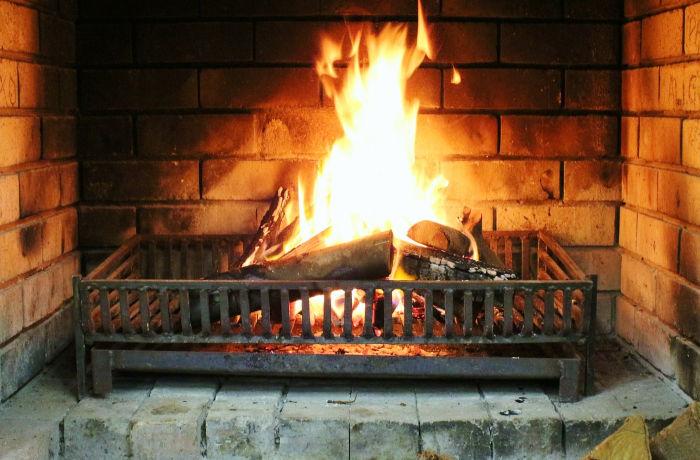
For decades, fireplaces were boarded up in favour of central heating radiators. Today, the trend has come full circle. Homeowners are once again looking to reveal the original character of their property by opening up these hidden recesses.
However, the way we use fireplaces has changed. While the look of a traditional Victorian fireplace is desirable, the reality of an open solid-fuel fire – with its draughts, mess, and poor heat efficiency – is less appealing in the modern age.
This guide covers how to safely open your fireplace and, crucially, how to fill that space with an efficient, eco-friendly, and legal heating solution.
Things to Consider Before Opening Up a Fireplace
Before you pick up a chisel, you need to understand the constraints of your property and the law.
Smoke Control Areas
The majority of towns and cities in the UK are designated Smoke Control Areas. In these zones, you cannot emit smoke from a chimney unless you are burning an authorised smokeless fuel or using an exempt appliance.
- The Reality: While you can burn smokeless fuel on an open grate, it is messy and inefficient.
- The Recommendation: If you want a real flame without the legal headache or environmental impact, Bioethanol or Gas is a superior choice. If you are set on burning wood, we recommend a multi-fuel stove (available via Direct Stoves).
Efficiency vs. Aesthetics
An open solid fuel fire sucks warm air out of your room and sends it up the chimney, with an efficiency rating as low as 20%.
- Decorative only: If you only want the ‘hole in the wall’ look for candles or other decorative items; efficiency doesn’t matter.
- Working fireplace: If you want heat, opt for a High-Efficiency Gas Insert or an Electric Fire. These provide a traditional look while keeping the heat in your room.
Your Chimney Type
- Class 1 (Brick Chimney): Required for solid fuel and certain gas fires.
- Class 2 (Prefabricated Flue): Common in newer homes. You cannot have an open solid fuel fire here, but many gas options are designed specifically for these flues.
- No Chimney? No problem. You can install a Bioethanol fire, an Electric fire, or a Flueless Gas fire once the recess is created (or even without a recess).
How Do You Know if You Have a Fireplace to Reopen?
- The Hollow Sound: Knock on the chimney breast. A hollow sound suggests plasterboard covering a void.
- Ventilation Bricks: A vent low down on the wall is a good sign that a builder’s opening exists behind it.
- The Hearth: Lift the corner of your carpet. A concrete or stone hearth slab is a definitive sign of a fireplace.
How to Open Up a Fireplace Safely
Warning: If you are unsure about the structure, consult a builder.
- Preparation: Seal the room. The dust from old soot and plaster is incredibly fine and gets everywhere.
- Remove Existing Fire: If removing an old gas fire, you must employ a Gas Safe registered engineer to cap the supply safely. Do not attempt this yourself.
- Reveal the Opening: Chip away the plaster to find the Lintel (the support beam) and the Jambs (the side supports).
- Do Not Remove the Lintel: This beam supports the masonry above. If it is damaged, it must be replaced by a professional.
- Inspect the Recess: Clear the rubble. You will likely find a ‘builder’s opening’ – a rough brick recess.
The Best Heating Solutions for Your Opened Fireplace
Once your fireplace is open, we strongly advise against an open fire due to the efficiency and emissions issues mentioned earlier. Instead, consider these stylish, high-performance alternatives available at Direct Fireplaces.
High Efficiency Cast Iron Inserts (Gas)
If you want the authentic Victorian look without the hassle of coal, this is the ultimate solution.
- What are they? These are traditional cast iron inserts (often with beautiful tiling) that house a modern, high-efficiency gas fire.
- Why choose them? Unlike old decorative gas fires that lost most heat up the flue, ranges like the Cast Tec Integra boast efficiencies over 60% and heat outputs of up to 4kW. They fit into Class 1, Class 2, and pre-cast flues.
Tiled Cast Iron Inserts (Electric or Gas)
For a splash of period colour, tiled inserts are stunning.
- The Look: These inserts feature decorative tile panels on either side of the opening.
- The Fuel: You can pair these with an electric fire for 100% efficiency at the point of use, or a gas fire for a realistic flame. This gives you the 19th-century aesthetic with 21st-century convenience.
Bioethanol Fires
If you have opened up a recess but find your chimney is blocked, damaged, or you simply don’t want a flue, Bioethanol is the answer.
- How it works: These fires burn bioethanol fuel, a renewable liquid that burns cleanly without smoke or soot.
- Benefits: No chimney required, no gas connection needed, and they produce a real, warming flame. You can place a freestanding bioethanol fire directly into your open fireplace.
Fire Baskets (Gas or Electric)
A fire basket sits inside the fireplace opening, offering a minimalist, open look.
- Recommendation: While you can get solid fuel baskets, we recommend Gas Fire Baskets or Electric Fire Baskets. They provide the ‘open fire’ visual but are cleaner, safer, and easier to control.
Important: Legal and Safety Requirements
The Gas Safe Register
If you choose to install a gas fire (whether a basket, insert, or stove), it is a legal requirement in the UK that the installation is carried out by a Gas Safe-registered engineer.
- They will check the ventilation (air bricks).
- They will test the flue pull (draw).
- They will ensure the gas pressure is safe.
- Never DIY a gas installation.
Chimney Sweeping
Even if you are installing a gas fire into an existing chimney, the flue must be swept first. Old soot deposits can be a fire hazard and can block the safe exit of fumes.
Costs: What to Expect
Opening up a fireplace varies in cost, but budgeting is essential for:
- Structural work: Plastering and rendering the opening.
- Hearth: A non-combustible hearth is required by building regulations if burning solid fuels.
- The Fire & Surround: Prices range from affordable fire baskets to premium cast-iron inserts.
- Installation: Gas Safe engineer fees or electrician costs.
FAQs: Common Questions About Opening Up Fireplaces
What is a ‘Builder’s Opening’ and how is it different from the finished opening?
When you knock back the plaster and remove the current fire, you will reveal the ‘Builder’s Opening’. This is the structural rectangular brick recess, bridged by a lintel. You generally install a fire insert into this space. It may require ‘backfilling’ with rubble or other non-combustible materials.
Can I mount a TV above my newly opened fireplace?
This depends heavily on the fuel type you choose.
- Solid Fuel/Gas: It’s possible, but we generally advise caution. The rising heat can damage electronics, and soot can clog vents. You would need a significant mantlepiece or shelf to deflect the heat.
- Electric: Perfectly fine. Electric fires emit heat from the front or bottom, and are much safer for TV’s mounted above.
- Bioethanol: It’s possible, but ensure you check the manufacturer's specified clearance distances.
My chimney breast was removed in the bedroom upstairs. Can I still open the fireplace downstairs?
Proceed with caution. If the chimney breast has been removed on upper floors, the remaining stack must be supported by ‘gallows brackets’ or steel beams. If this support is missing or inadequate, opening up the fireplace downstairs could cause a structural collapse. You must get a structural engineer or builder to inspect the support before touching the fireplace.
Do I need an air vent in my room?
- Gas Fires: It depends on the fire's kilowatt (kW) input. Generally, gas fires under 7kW do not require an additional air brick in the room. However, flueless gas fires always require additional ventilation. A Gas Safe engineer will calculate the room volume and oxygen requirements to confirm this.
- Bioethanol: These do not require a specific air vent, but the room should be well-ventilated (e.g., an internal door left ajar) to ensure fresh air circulation.
What is the difference between a standard gas fire and a ‘High Efficiency’ model?
- Standard/Decorative Gas Fires: These prioritise the appearance of the flame over heat output. Much of the warmth is lost up the chimney.
- High Efficiency (HE) Models: These fires are designed to reduce heat loss. They use glass fronts or clever convector designs to push heat back into the room rather than up the flue, achieving efficiencies of up to 60% compared to the 20-30% of older open-fronted models.
How do I clean and maintain a cast-iron insert?
Cast iron is durable, but prone to rust if exposed to moisture.
- Cleaning: Never use a wet cloth. Use a dry, soft brush to remove dust.
- Polishing: To restore the black shine, use a specialist iron grate polish. Apply sparingly with a cloth and buff it up.
- Rust: If you see rust spots, rub them down with wire wool and re-apply grate polish.
Is Bioethanol expensive to run compared to Gas?
Bioethanol is generally more expensive per kilowatt of heat than mains gas. However, because Bioethanol fires are 100% efficient (no heat is lost up a chimney) and you don’t pay standing charges or installation fees, they can be a cost-effective solution for occasional use or secondary heating in the evenings.
Can I install a gas fire if I don’t have a chimney?
Yes, but not an ‘open’ one. You would need a Balanced Flue gas fire. These are glass-fronted units that vent directly through an external wall via a horizontal pipe. Alternatively, you can opt for a Flueless gas fire (which uses a catalytic converter) or simply choose an Electric or Bioethanol mode, neither of which requires a chimney or flue.
How long does the installation process take?
- Opening up: Knocking out and clearing rubble usually takes around one day.
- Structural/Plastering: Making good the plaster and fixing the hearth can take another 1-2 days (plus drying time).
- Fitting the Fire: A Gas Safe engineer can usually install a gas insert or basket in half a day, provided the gas supply has already been brought to the fireplace opening.
Final Thoughts
Opening up an old fireplace is a fantastic way to add value and soul to your home. By choosing a modern gas, electric, or bioethanol fire, you can enjoy the timeless beauty of a period fireplace without compromising on heat efficiency or air quality.
Ready to find the perfect centrepiece? Browse our full range of Fireplaces, Surrounds, and Inserts at Direct Fireplaces today.